Affordable Rooflights for Pitched Roofs
Step-By-Step Rooflight Installation Guide for Homeowners From the Experts
Rooflight fitting presents a straightforward approach to increasing daylight within a property. This process can improve ambiance and reduce energy costs. Property owners should take into account a number of considerations, including the type of rooflight, necessary tools, and safety measures. Potential challenges, such as structural integrity and weather conditions, require careful attention. Familiarity with these factors will ready property owners for a smooth installation. The upcoming content will examine the rewards of incorporating a rooflight into your living area.
Why Install a Rooflight? How Your Home Can Benefit
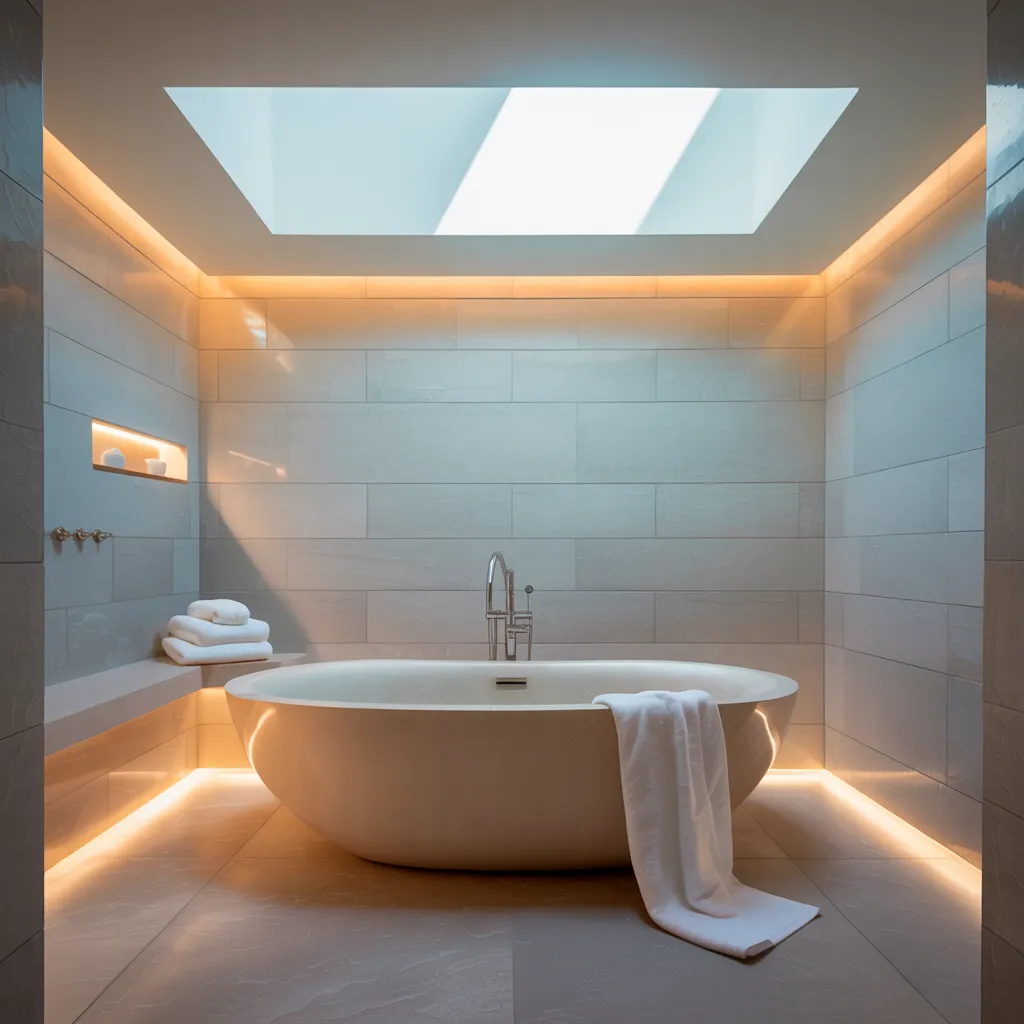
Why should you think about adding a rooflight? Rooflights provide a wide range of benefits that improve both the visual appeal and practical functionality of a home. They convert dim, underused spaces into bright and welcoming areas by letting natural sunlight pour in, which can significantly boost mood and overall well-being. Greater levels of natural light decrease dependence on artificial lighting, which in turn helps to reduce energy bills.
Additionally, rooflights can increase ventilation, offering a fresh air flow that promotes a healthier indoor environment. Numerous homeowners recognize the added architectural interest that rooflights bring, making their homes more visually appealing. Additionally, a well-placed rooflight can even improve property value, enticing interested buyers with its sleek and airy appearance. In conclusion, installing a rooflight can result in a sunnier, more comfortable, and more attractive living space, making it a worthwhile consideration for all homeowners aiming to elevate their property.
Selecting the Ideal Rooflight for Installation
When selecting the ideal rooflight for installation, homeowners must take into account a number of factors to guarantee it meets their requirements and suits their living area. To begin with, the size and shape of the rooflight are essential; it should fit well within the existing architecture while delivering ample natural light. Additionally, the glazing option is critical; selections including double or triple glazing provide superior insulation and energy efficiency. Property owners should also consider the rooflight's ventilation options, as good air circulation can help reduce humidity and boost indoor air quality.
Aesthetic considerations, such as the choice of frame materials and colors, likewise play a part in ensuring the rooflight enhances the overall design of the home. Finally, it is important to assess local regulatory requirements and planning permissions, which may influence the rooflight decision. By carefully considering these factors, homeowners can find a rooflight that fulfills practical requirements while also enhancing their living space.
A Step-By-Step Setup Guide
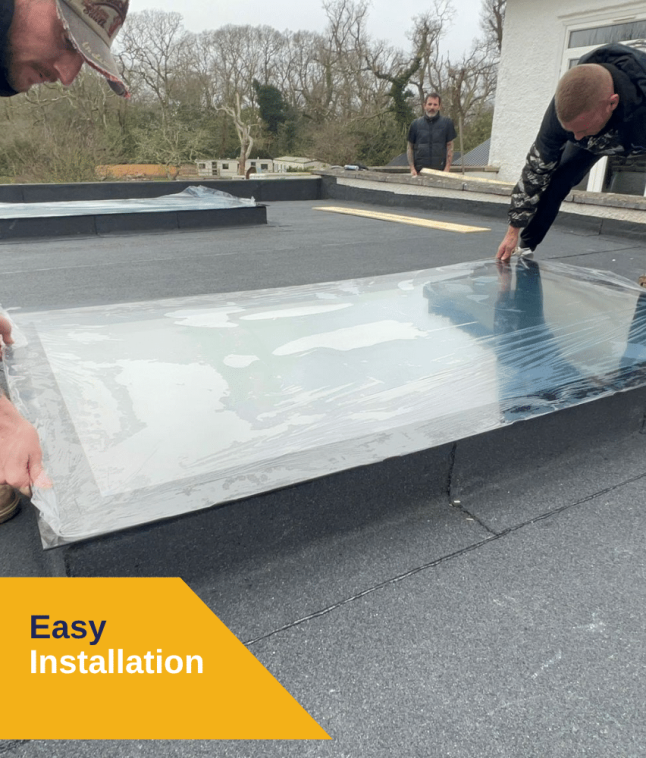
Following the selection of the suitable rooflight, the following step requires the installation process, which necessitates careful attention to detail to ensure a successful outcome. The initial step is to ready the installation site by confirming the roof is free of debris and reachable. After this, measurements must be taken carefully to identify the intended position for the rooflight, confirming alignment with the established roof construction.
Next, the roofing material is accurately cut according to the indicated measurements. This is then followed by the installation of a supporting curb or frame to support the rooflight, which must be properly anchored to eliminate the risk of leaks. Once the curb is in place, the rooflight is installed and sealed with weatherproof flashing. Lastly, any final details, such as inside trim, are applied to finalize the installation. This systematic process ensures the rooflight operates effectively while improving the home's appearance and natural light.
What Equipment Do You Require for Rooflight Installation?
Several essential tools are needed for a proper rooflight fitting. It is important for homeowners to collect the right tools to ensure the process is carried out safely and efficiently. A power drill is critical for drilling precise holes and anchoring fixtures securely. A jigsaw or circular saw is needed for cutting the roof opening, while a measuring tape provides accurate dimensions. A level is important for aligning the rooflight correctly.
Protective gear, comprising protective gloves and goggles, protects against common risks. Additionally, a nail gun or roofing hammer helps facilitate the placement of flashings or shingles around the skylight. A sealant gun is likewise important for closing joints and avoiding water ingress. As a final consideration, a sturdy ladder or scaffolding offers safe access to the roof area. By gathering these tools in advance, homeowners can streamline the installation process and achieve superior results.
Setting Up Your Roof: Safety and Structural Requirements
Before beginning a rooflight setup, it is vital to focus on safety and evaluate the roof's structural soundness. Proper safety gear, such as helmets and harnesses, is required to guard against possible dangers. In addition, carrying out a detailed inspection of the roof confirms it can accommodate the new fitting without affecting structural stability.
Safety Gear Essentials
Ensuring safety during rooflight installation begins with proper gear selection. Homeowners should prioritize using a hard hat as protection from falling objects. Non-slip footwear is essential to maintain traction on rooftops, reducing the risk of slips and falls. Safety harnesses are also necessary when working at considerable heights, fastening firmly to avoid potential accidents. Protective eyewear guards against dust and flying particles, as gloves help maintain grip and safeguard hands from jagged edges. Using knee pads is suggested to ensure comfort throughout lengthy rooftop work sessions. By outfitting themselves with these critical safety tools, homeowners can minimize hazards and focus on the installation process with greater confidence and security.
Integrity Verification
Performing a structural integrity assessment is crucial for a safe rooflight installation, as it allows you to identify any underlying issues that may affect the structural integrity of the roof. Homeowners are advised to examine the supporting rafters and joists for evidence of damage, such as splitting or decay. It is essential to evaluate the current roofing materials, ensuring they can bear the extra weight of the rooflight. Seeking advice from a structural engineer can offer important guidance, especially for homes that are older or have sustained prior damage. Moreover, verifying sufficient drainage and ventilation is important to prevent future complications. By taking these structural factors into account, homeowners can ensure a smooth installation process, improving both the safety and durability of their rooflight.
Install Your Rooflight Smoothly: Key Guidelines
Achieving a successful corresponding information rooflight installation depends on proper planning and a keen eye for detail. Homeowners ought to start by assembling all the essential tools and materials, confirming all items are on hand prior to beginning. It is important to follow the manufacturer's instructions closely, given that individual rooflights can have their own distinct requirements.
Additionally, creating a thorough plan enhances the assembly process. Indicating the location where the rooflight will be placed helps avoid mistakes, while double-checking measurements guarantees accuracy.
While working through the roof, utilizing a sharp cutting blade can help avoid damage to the surrounding materials. Appropriate safety measures, such as securing the work area and wearing protective gear, are essential to avoid accidents.
Properly sealing the rooflight is critical to avoid leaks. It is recommended that homeowners apply a high-grade sealant around the edges to ensure long-lasting results. By observing these essential recommendations, the fitting process can move forward seamlessly, delivering a successful and aesthetically pleasing rooflight addition.
Top 5 Installation Challenges and Solutions
Throughout the process of rooflight installation, a range of difficulties can occur that may impede advancement. Pinpointing typical problems is crucial to effective problem-solving. This article will detail the top five issues and offer actionable remedies to secure a smooth installation.
Typical Installation Challenges
Setting up rooflights may involve a number of obstacles that may hinder the process and impact the final outcome. One common obstacle is poor structural foundation, which can lead to safety issues and weakened structural integrity. Environmental factors, such as heavy rain or strong winds, can delay installation and affect material performance. Furthermore, improper measurements may cause rooflights to fit incorrectly, demanding time-consuming alterations. An additional complication arises from maneuvering around existing plumbing or electrical systems, which can make installation more difficult. To conclude, obtaining the necessary permits can be time-consuming, leading to setbacks and possible legal complications. Identifying these challenges in advance can assist homeowners in planning accordingly, guaranteeing a more seamless fitting process.
Successful Problem-Solving Approaches
Navigating the intricacies of rooflight installation often requires effective problem-solving strategies to tackle common challenges. A common problem involves improper measurements, which can result in ill-fitting units; confirming dimensions ahead of purchase is strongly advised. Another challenge is ensuring structural integrity; seeking expert advice can assist in assessing the roof's load-bearing ability. Leaks during the installation process are a frequent occurrence, using quality sealants and following manufacturer guidelines can mitigate this risk. Furthermore, challenges related to electrical wiring for built-in lighting can occur, property owners are advised to engage a qualified electrician. To conclude, managing unexpected weather changes can disrupt timelines, planning installations for periods of suitable weather is recommended. By anticipating these challenges, homeowners can achieve a more efficient rooflight installation outcome.
Frequently Asked Questions
What Is the Typical Duration of a Rooflight Installation?
Installing a rooflight generally requires between one to three days, depending on considerations including the complexity of the design, the roofing materials used, and prevailing weather conditions, guaranteeing a proper fit and seal for the best possible performance.
Should I Install a Rooflight Myself or Employ a Professional?
Homeowners can have a rooflight installed themselves if they possess the necessary skills and tools, but it is generally advisable to hire a professional for ideal results and to ensure adherence to building regulations and safety requirements.
What Maintenance Is Required After Installation?
Once installed, routine upkeep for a rooflight involves cleaning the glass, checking seals for leaks, inspecting surrounding roofing materials, and ensuring proper drainage. Following these measures helps preserve performance and prolongs the rooflight's service life.
Are Rooflights Energy-Efficient Options for My Home?
Roof lights are efficient additions for homes, permitting natural light to decrease the need for artificial lighting. Properly installed and insulated, they contribute to thermal efficiency, likely decreasing heating and cooling bills over time.
What Permissions Are Required for Rooflight Installation?
As a rule, homeowners need planning permits for rooflight fitting, which might require planning permission and compliance with regional building codes. Consulting local authorities ensures adherence to zoning ordinances and safety standards ahead of beginning the fitting.