North Vancouver Roofer Specializing in Asphalt, Metal, and Flat Roofing
The Advantages of Choosing Flat Roofing for Your Property
Flat roofing functions as a viable alternative for many property owners. Its layout allows for efficient use of supplies and space. Reduced fees and maintenance obligations upfront make it increasingly desirable. Furthermore, flat roofs can boost energy efficiency and eco-friendliness. Yet, misconceptions often obscure their benefits. Understanding these aspects can help homeowners make informed decisions about their roofing selections. What advantages might flat roofing offer to your residence?
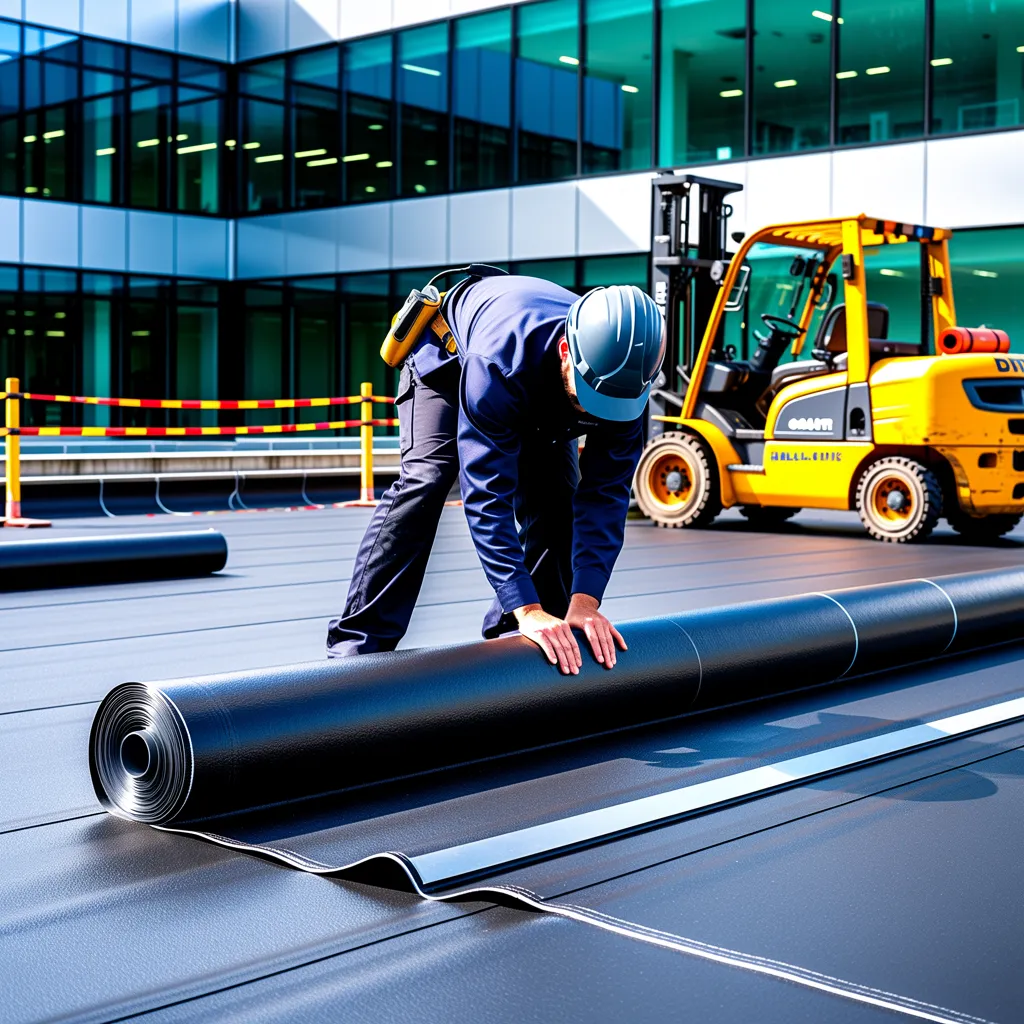
Why Opt For Flat Roofing for Your Residence?
When examining roofing options, property owners may discover that flat roofing offers evident advantages. One key benefit is cost-effectiveness. Flat roofs typically require fewer materials than sloped designs, pointing to lower installation expenses. Additionally, maintenance tends to be more direct, allowing for easier access during inspections and repairs.
Yet another perk can be found in durability. Plenty of flat roofing materials, like TPO or EPDM, are constructed to stand up to severe weather conditions, providing long-lasting protection. This resilience can reduce the rate of replacements or repairs, even more boosting cost savings over time.
Additionally, flat roofs can enable the installation of energy-efficient systems, such as solar panels or green roofs, which may help achieve long-term energy savings. Broadly speaking, level roof design offers property owners a workable answer that integrates operational efficiency, staying power, and likely financial rewards, making it a good choice for numerous structures.
Enhance Area Using Flat Roofs
Flat roofs deliver exceptional opportunities for maximizing usable space in both commercial and residential properties. Unlike conventional angled roofs, flat roofs offer a versatile area that can be employed for different applications. Rooftop gardens, terraces, and outdoor lounges can improve the attractiveness and performance of a building, creating additional recreational spaces.
In business environments, flat roofs can house HVAC systems, solar panels, or even green roofs, optimizing energy efficiency and sustainability. Additionally, the flat surface allows for simpler accessibility and maintenance compared to sloped roofing systems.
This layout also enables the development of vertical extensions, such as additional stories or roof-level workspaces, without damaging the existing footprint of the property. By leveraging the roof's possibilities, property owners can substantially boost both their usable space and real estate worth, making it a smart decision for maximizing utility and enjoyment.
Inexpensive Level Roofing Possibilities
Although many roofing options exist, cost-effective flat roofing solutions stand out for their cost-efficiency and functionality. Diverse materials can be utilized, including modified bitumen, PVC, and EPDM rubber, each offering special benefits at attractive prices. Modified bitumen, for instance, is known for its longevity and straightforward setup, making it an appealing choice for financially prudent property owners.
PVC roofs, while slightly pricier, present superior energy efficiency and longevity, consequently cutting down long-term costs. EPDM rubber is still another favored option, valued for its resilience and minimal upkeep needs.
These materials not only reduce initial expenses but also assist in saving energy, resulting in additional reductions on utility bills. By selecting the appropriate flat roof solution, property owners can attain a equilibrium between cost and efficiency, ensuring a economically viable investment that meets their requirements successfully.
Keep Your Flat Roof Easily
Keeping a flat roof in good condition can be simple, particularly when employing economical materials like modified bitumen, PVC, or EPDM rubber. These materials are engineered for strength and need minimal attention, making them appropriate for property owners seeking enduring answers. Routine inspections are necessary, enabling for the swift recognition of potential issues such as pooling water or debris accumulation.
Cleaning the surface periodically guarantees that drains and gutters remain clear, avoiding water damage and prolonging the roof's lifespan. Additionally, applying a protective coating can enhance protection to UV rays and extend the roof's durability.
In comparison with sloped roofs, flat roofs deliver better accessibility for maintenance duties, lowering the probability of accidents during repair work and inspections. All in all, the simplicity of maintaining a flat roof, combined with the suitable materials, can generate major financial savings and confidence for property owners.
Energy Conservation and Sustainability
Increasing power savings and ecological responsibility is a notable plus of flat roof options. These roofs often contain materials that send back sunlight, curtailing heat retention and lowering cooling costs during warmer months. This characteristic leads to less reliance on air conditioning, which can markedly decrease energy utilization and linked expenses.
Furthermore, level roofs can be equipped with insulation materials that improve thermal performance, promoting a pleasant indoor environment. The capacity to incorporate eco-friendly roof systems further enhances environmental responsibility. By reducing heat islands in urban areas, level roofs support better air conditions and reduced energy use.
Moreover, flat roofing is commonly simpler to maintain and repair, which can produce longer lifespans and minimized waste. Overall, the energy-efficient and environmentally responsible aspects of flat roofing systems make them an attractive choice for eco-conscious property owners striving to decrease their environmental impact while enjoying economic benefits.
Adaptable Uses: Rooftop Gardens and Solar Panels
Flat roofs deliver distinct possibilities for innovative uses, such as rooftop gardens and solar panels. Rooftop gardens not only enhance aesthetics but also supply insulation and encourage biodiversity. Meanwhile, the deployment of solar panels on flat roofs enhances energy efficiency, leveraging sunlight efficiently to lower utility costs.
Rooftop Garden Improvements
Rooftop gardens provide many benefits, effortlessly blending nature into urban settings. These green spaces enhance aesthetic appeal, converting bland rooftops into lively retreats. They also deliver essential ecological advantages, such as enhancing air quality and reducing urban heat through organic temperature regulation. Moreover, rooftop gardens can function as multipurpose areas, providing spaces for relaxation, community events, or even urban farming. They contribute to biodiversity by establishing habitats for various species, fostering ecological balance within city landscapes. Additionally, these gardens can help manage stormwater runoff, reducing the risk of flooding. In summary, the incorporation of rooftop gardens stands as a eco-friendly solution that enriches both property value and the quality of life for urban dwellers.
Solar Panel Capability
More homeowners and businesses are becoming aware of the value of solar panels as a effective method for renewable energy generation. Flat roofs present an ideal surface for solar panel installation owing to their unobstructed sunlight exposure. Such positioning facilitates peak efficiency, maximizing energy collection during daylight hours. Additionally, the smooth surface of flat roofing allows for easier upkeep and installation versus sloped roofs. Integrating solar panels can significantly lower energy expenses, enhancing property sustainability. Moreover, combining solar panels with rooftop gardens enhances insulation and reduces urban heat, showcasing the versatility of flat roofing. Overall, the partnership of solar energy and flat roofs aids environmental sustainability and delivers economic benefits.
Addressing Popular False Ideas Surrounding Flat Roofing?
What misconceptions surround flat roofing? Many property owners think that flat roofs are prone to leaks and require more upkeep than sloped roofs. However, modern components and innovations have considerably enhanced their strength and water resistance. Another common myth is that flat roofs miss aesthetic appeal. In reality, they offer flexibility in design and can support rooftop gardens or solar panels, enhancing both functionality and appearance. Some also contend that flat roofs cannot handle heavy snow or rain. In truth, proper drainage systems can effectively manage these conditions. Finally, there is a notion that flat roofing is less energy-efficient. When installed correctly with adequate insulation, flat roofs can provide excellent energy savings. By dispelling these myths, property owners can make informed decisions about the advantages and practicality of flat roofing solutions.
Frequently Asked Questions
How many years will a flat roof generally endure?
A flat roof often lasts between 15 to 30 years, contingent upon materials used, installation quality, and maintenance. Routine examinations and timely restoration can prolong its lifespan considerably beyond the average duration.
Identifying the Ideal Materials for Flat Roof Installation?
The best materials for flat roofing feature PVC, TPO, EPDM rubber, and modified bitumen. Each provides distinct advantages, such as resilience, energy efficiency, and weather durability, which makes them popular choices for different applications.
Is it possible to set up a level roofing by myself?
Constructing a flat roof independently is attainable for those with satisfactory talents and familiarity. However, it calls for careful planning, proper materials, and adherence to local building codes to guarantee robustness and well-being throughout the installation process.
How do flat roofs manage heavy rain?
Flat roofs address heavy rain through effective drainage systems, including internal gutters and scuppers. Proper installation and maintenance are critical to prevent pooling and potential water damage, ensuring longevity and functionality in adverse weather conditions.
Which Best Liquid Management Alternatives Work Best for Flat Roofs?
Effective drainage solutions for flat roofs comprise internal drains, scuppers, and tapered insulation. These approaches encourage water flow towards designated drainage points, stopping ponding and potential structural damage more info from accumulated water during heavy rainfall.